

How to Tell If Your Crawl Space Needs Encapsulation
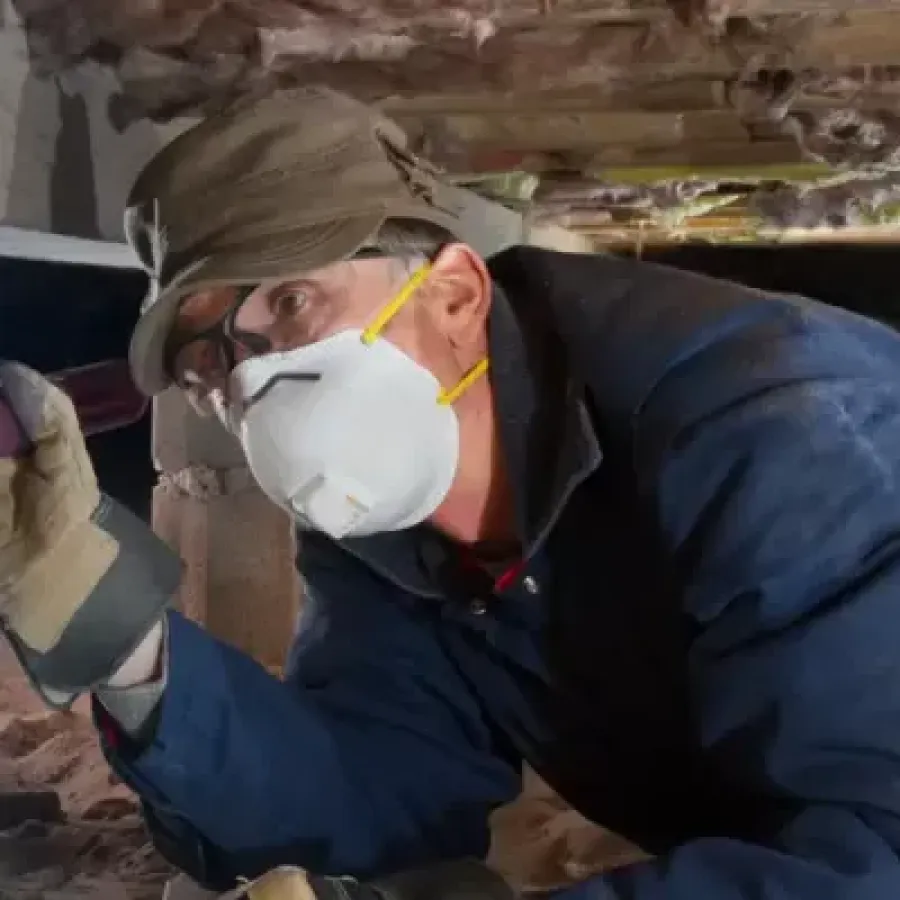
If you've never actually looked under your house, you're not alone. Most homeowners go years without opening the crawl space door, and along the North Carolina and South Carolina coast, that's exactly the problem. Our humidity doesn't take a break, and neither does the moisture building up under your floors.
Quick answer: Your crawl space likely needs encapsulation if you notice a musty smell inside your home, visible moisture or standing water under the house, sagging or soft floors, high indoor humidity even with the AC running, or pest activity near the crawl space. Any one of these on its own is worth checking. Two or more together usually means moisture has already been a problem for a while.
Why Coastal Crawl Spaces Struggle
Traditional crawl spaces are built with vents, which sounds like it should help with airflow. In practice, vents let in the same humid outside air that makes our summers feel heavy, and that moisture doesn't leave once it's inside. The EPA has found that mold can take hold on almost any surface once relative humidity sits above 60 percent for an extended stretch, and vented crawl spaces along the Carolina coast routinely run past that number for months at a time, not just during a rainy week.
That trapped moisture doesn't stay under the house either. Air moves between your crawl space and your living space through gaps, ductwork, and flooring seams, a process sometimes called the stack effect. Musty crawl space air ends up circulating through your home whether you ever smell it directly under the house or not, which is why homeowners are often surprised to learn their "clean" house has a moisture problem at all.
5 Signs It's Time to Encapsulate
-
A musty or earthy smell. If your house smells damp even when it's freshly cleaned, the odor is usually coming from below, not from anywhere in the living space. This is often the first sign homeowners notice, and the easiest one to write off as "just an old house smell."
-
Visible moisture or standing water. Damp dirt floors, water stains on joists, or actual puddles after a hard rain are the clearest signs that a vapor barrier and a couple of vents aren't cutting it anymore. If you can see water, the problem is already past the early stage.
-
Warped, sagging, or soft floors. Wood absorbs moisture over time. Floor joists that have been sitting in a humid crawl space for years will start to sag, squeak, or feel soft underfoot, especially near exterior walls or bathrooms where moisture tends to concentrate.
-
High indoor humidity that won't budge. If your air conditioning runs constantly but the house still feels sticky, moisture rising from an unsealed crawl space is likely working against your HVAC system rather than the other way around.
-
Pest activity in or near the crawl space. Termites, cockroaches, and rodents are all drawn to damp, dark spaces, and a crawl space with standing moisture is an open invitation. It's also one of the most common places we find early termite activity during a routine inspection, well before there's any visible sign upstairs.
What Encapsulation Actually Does
Encapsulation seals the crawl space off from outside air entirely, rather than trying to manage the moisture that's already getting in. That process typically includes:
- Closing off the crawl space vents
- Sealing the crawl space entry point
- Installing a heavy-duty vapor barrier across the floor and up the walls
- Adding a dedicated crawl space dehumidifier, since coastal air alone is usually too humid for a barrier to manage on its own
The result is a crawl space that stays dry regardless of what the weather's doing outside. That protects your subfloor and framing from long-term rot, keeps your energy bills more predictable since your HVAC isn't fighting humidity from below, and removes the damp environment that pests depend on to get a foothold in your home in the first place.
When to Call a Professional
A quick look under the house can tell you something's off. Figuring out how far along the problem is, and what it'll actually take to fix it, is worth getting an expert opinion rather than guessing. This is especially true if you've dealt with a pest problem that keeps coming back no matter how many times you've treated it, since that's often a sign the moisture causing it was never addressed.
Bug-N-A-Rug offers crawl space evaluations across our Coastal Carolina service area, from Wilmington to Myrtle Beach. If your crawl space is contributing to a bigger moisture or pest problem, we'll tell you exactly what's going on and what it'll take to fix it.