


Keeping Bed Bugs Out of Your Myrtle Beach Rental
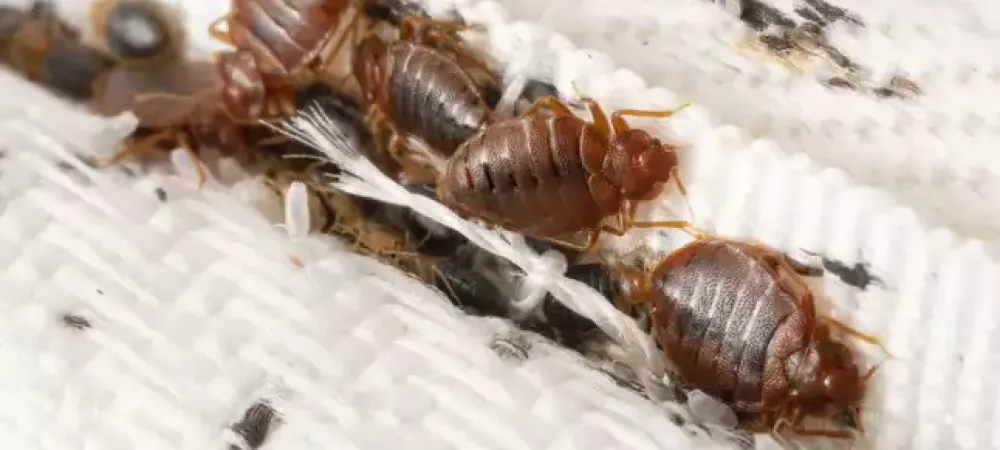
Guest turnover is the core of a vacation rental business, and it's also the exact condition bed bugs rely on to spread. Every new guest brings their own luggage, and with it, a small chance of bringing something the property didn't book.
Quick answer: Bed bugs get into rentals by hitchhiking in on guest luggage, clothing, and personal items, not because a property is dirty. The most effective prevention is a combination of proactive steps to reduce hiding spots, a consistent inspection routine between every guest, and encased mattresses and box springs. Waiting until an infestation is confirmed is what turns a manageable problem into a multi-unit one.
Why Rentals Are More Exposed Than a Typical Home
A single-family home might see new visitors a few times a month. A short-term rental can turn over every three to four days, and each turnover is a new opportunity for bed bugs to arrive with someone else's belongings.
The Northeastern IPM Center specifically names short-term rentals and vacation properties among the common places people encounter bed bugs while traveling, alongside hotels and Airbnbs. This isn't a cleanliness issue. Bed bugs are drawn to people, not dirt or clutter, and the EPA notes they can survive for months without feeding while waiting for a new host.
Myrtle Beach's tourism traffic runs steady across most of the year rather than concentrating in a short peak season. A rental booked nearly every week carries this exposure constantly, not seasonally.
Making Your Property Less Inviting to Bed Bugs
Bed bugs gravitate toward protected spaces, cracks, and crevices. Reducing those hiding spots makes a rental inherently less hospitable, even before adding proactive inspection on top of it.
- Seal baseboards, floorboards, and crown molding. Caulking the seams closes off the tight spaces bed bugs retreat into when they aren't feeding.
- Fill cracks in furniture. This is especially important for bed frames, headboards, and nightstands. Any dark, protected void is a potential home for bugs.
- Consider swapping upholstered or wood-frame headboards for metal or removable ones. Fabric and wood are both easier for bugs to latch onto and hide inside compared to smooth surfaces with fewer seams.
- Use bed frame interceptors. These cup-shaped traps sit under the feet of a bed frame, catching bugs as they climb up or down the legs. Placing them under furniture legs makes it harder for bugs to reach hiding spots.
None of these steps are a replacement for a hands-on inspection routine, but each one makes the property a little less attractive to bed bugs in the first place. Anything that makes it harder for them to find a dark, undisturbed spot to camp out in between guests helps prevention.
Where Bed Bugs Actually Hide in a Rental
A flashlight catches signs that overhead lighting misses. Bed bugs and their evidence- cast skins, dark fecal spotting, or the bugs themselves- are small enough that a quick glance under a ceiling light often isn't enough. Check these spots at every turnover:
- Mattress and box spring seams, especially piping and tags
- Headboards, particularly upholstered ones or any mounted directly to the wall
- Bed frame joints and cracks, where bugs retreat during the day
- Nightstands and drawer joints near the bed
- Behind picture frames and outlet covers, less common but worth a deeper check
Building Inspection Into Your Turnover Routine
Consistency is what separates a rental that catches problems early from one that doesn't.
- Check the hiding spots above at every turnover. Once cleaning staff know what to look for, this adds minutes, not hours.
- Use mattress and box spring encasements. The EPA recommends these because they close off several hard-to-check hiding spots and make bugs easier to spot against a light-colored surface.
- Wash and dry linens on high heat between guests. Washing alone often isn't enough. A hot dryer cycle reliably kills bed bugs.
- Log every guest report, including ones that turn out unrelated. A pattern across multiple stays is often the first real signal, well before it's obvious in any single unit.
- Reduce excess soft furnishings in bedrooms. More fabric and furniture means more places to hide during an inspection.
Building this into your regular turnover schedule is far less disruptive than responding to a confirmed infestation mid-season. Bug-N-A-Rug works with vacation rental owners and property managers across the Myrtle Beach and Coastal Carolina market to build routine inspections into their existing processes, catching activity before it reaches a guest.