


Palmetto Bug or Cockroach? What's the Difference
If you've lived along the South Carolina coast for any length of time, you've encountered a palmetto bug. Whether it was flying past your porch light or scurrying across the bathroom floor at 2 a.m., it's not a moment you forget. But there's a persistent belief in the Carolinas that palmetto bugs and cockroaches are two different things. They aren't.
Quick answer: "Palmetto bug" is a regional nickname, most common in South Carolina and the Southeast, for the American cockroach and sometimes the smoky brown cockroach. They're the same insect. The nickname exists partly because of how often these roaches are found near palmetto trees and partly, if we're being honest, because "palmetto bug" sounds a lot less alarming than "cockroach."
What Species Are Actually Called Palmetto Bugs
According to the National Pest Management Association, "palmetto bug" is a colloquial term for several large cockroach species found in the southeastern United States. The two most common in the Myrtle Beach and Coastal Carolina area are:
- American cockroach (Periplaneta americana) — the most common species referred to as a palmetto bug. One of the largest cockroach species in the U.S., typically 1.5 to 2 inches long, reddish-brown with a yellowish figure-eight pattern behind the head. Fully winged and capable of flying, though they rarely do so indoors.
- Smoky brown cockroach (Periplaneta fuliginosa) — slightly smaller than the American cockroach, with a uniform dark mahogany color and no markings. A capable flier that's strongly attracted to outdoor lights at night.
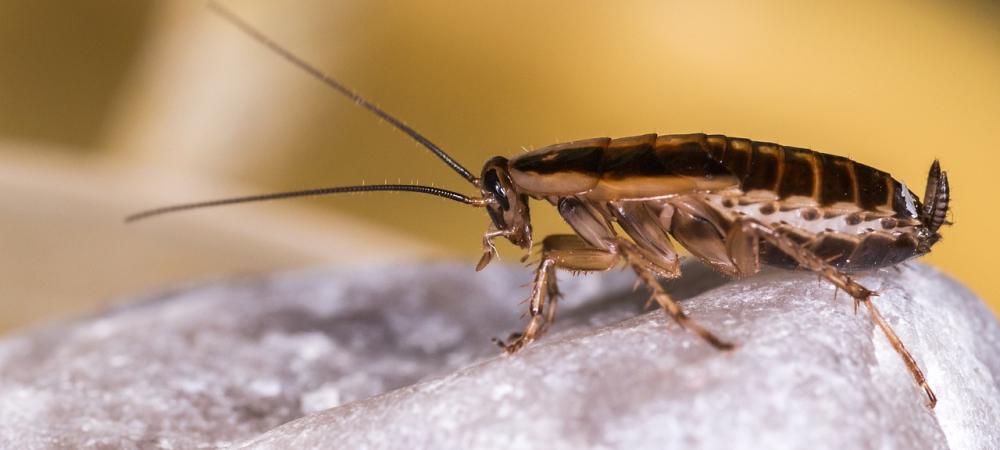
Neither of these is the German cockroach, which is the species most people associate with a kitchen infestation. German cockroaches are much smaller, light brown, and almost exclusively indoor insects. Palmetto bugs are a different problem entirely.
How Palmetto Bugs Differ from German Cockroaches
|
Palmetto Bug American / Smoky Brown |
German Cockroach | |
|---|---|---|
| Size | 1.5–2+ inches | ~0.5 inches |
| Color | Reddish-brown or dark mahogany | Light brown with two dark stripes behind the head |
| Preferred Habitat | Outdoors, drains, crawl spaces | Indoors — kitchens and bathrooms |
| Can It Fly? | Yes, capable flier — rarely does so indoors | Rarely flies |
| Infestation Risk | Lower — primarily an outdoor insect | Higher — breeds rapidly indoors |
What Attracts Palmetto Bugs to Your Property
Palmetto bugs don't show up randomly. Specific conditions around a property draw them in and keep them active close to the structure.
- Moisture. This is the primary driver. Standing water, leaky outdoor spigots, clogged gutters, and overly damp mulch beds all create the moist conditions these roaches need to stay active.
- Outdoor lighting. Smoky brown cockroaches in particular are strongly attracted to light at night. Porch lights, landscape lighting, and light visible through windows all pull them toward the exterior of a home.
- Dense vegetation. Palmetto bugs live and shelter in thick ground cover, leaf litter, mulch, and plant material pressed directly against the foundation. The closer the vegetation to the house, the shorter the trip inside.
- Garbage and organic debris. Outdoor trash cans without tight-fitting lids, compost piles near the home, and decaying wood or leaf piles are all food sources that keep palmetto bugs active near the structure.
- Warm exterior surfaces. Driveways, patios, and foundation walls that absorb heat during the day stay warm into the evening, which is exactly when palmetto bugs are most active.
Where Palmetto Bugs Hide Once They're Inside
Palmetto bugs that make it indoors gravitate toward the same conditions they seek outside — dark, warm, and damp.
- Crawl spaces. One of the most common indoor sheltering spots for palmetto bugs in coastal homes. Damp, dark, and undisturbed, crawl spaces offer near-ideal conditions and easy access from the soil outside.
- Drains and plumbing. American cockroaches in particular travel through sewer and drain lines. Finding one in a toilet or bathtub drain isn't unusual and doesn't necessarily mean they're living inside the home.
- Laundry rooms and utility areas. The combination of warmth from appliances, moisture from washing machines, and limited foot traffic makes these rooms attractive once they're inside.
- Basements and storage areas. Undisturbed boxes, stored items, and low-traffic corners give palmetto bugs a place to shelter during the day.
- Behind large appliances. Refrigerators, water heaters, and washing machines all generate warmth and are rarely moved, making the space behind them a common hiding spot.
Why Palmetto Bugs Are So Common Along the Coast
The South Carolina and North Carolina coast gives these insects everything they need year-round. Warm temperatures, persistent humidity, dense vegetation, and coastal moisture create near-ideal conditions for American and smoky brown cockroaches. Unlike northern markets where winter suppresses cockroach activity for months at a time, the Myrtle Beach area stays warm enough to keep populations active through most of the year.
Palmetto bugs are also strong climbers capable of squeezing through surprisingly small gaps. Exterior gaps around pipes, dryer vents, AC lines, and foundation cracks are the most common entry points into a home.
How to Keep Palmetto Bugs Out of Your Home
Because palmetto bugs are primarily outdoor insects that wander in, treatment focuses on exterior prevention rather than indoor infestation control.
- Seal exterior gaps and cracks, particularly around utility penetrations, dryer vents, and where pipes enter the foundation.
- Reduce outdoor moisture near the home. Address standing water, clean gutters regularly, and pull damp mulch back from the foundation.
- Keep vegetation trimmed away from the exterior. Palmetto bugs live in dense plant material and will move indoors when vegetation is directly against the house.
- Switch outdoor lighting. Yellow-tinted bulbs attract fewer insects than standard white or blue-toned lights.
- Address crawl space moisture. Damp crawl spaces are one of the most common places palmetto bugs shelter inside a structure.
- Exterior perimeter treatments applied by a pest control professional are the most effective ongoing prevention method, creating a barrier that stops them before they get inside.
Finding one or two palmetto bugs inside occasionally is common in this climate. Finding them regularly, or finding smaller roaches anywhere in the kitchen or bathroom, is worth a professional inspection to determine which species you're dealing with and the right treatment approach.