


When to Start Mosquito Treatments on the Carolina Coast
Most homeowners start thinking about mosquitoes when the bites become frequent. By that point, breeding is already well established and adult populations are high. Along the Carolinas coast, that window comes earlier than most people expect, and it stays open longer.
Quick answer: Mosquito season on the Coastal Carolina coast typically starts in March or early April, as soon as nighttime temperatures hold consistently above 50 degrees Fahrenheit. Peak activity runs through June, July, and August, then tapers into October before the first frost ends the season. The first treatment should happen in spring before populations build, with follow-up treatments through the peak months to maintain control.
When Mosquito Season Actually Starts on the Coast
The trigger for mosquito activity is soil temperature, not calendar date. Once nighttime temperatures stay reliably above 50 degrees Fahrenheit, overwintering eggs begin hatching, and adult populations start building. According to NC State Extension Entomology, multiple mosquito species are active across North Carolina, and coastal areas see earlier and longer seasons than inland or mountain regions because of the warmer temperatures and persistent humidity.
For Coastal Carolina specifically, that means the season can open as early as March in a mild year. Populations build through April and May, peak in June through August, and remain active through October before the first frost winds things down. That is a seven-to-eight-month window, significantly longer than what homeowners in cooler inland markets deal with.
Why Coastal Yards Face Higher Mosquito Pressure
The same features that make Coastal Carolina appealing to people make it ideal for mosquitoes. Three factors drive most of the pressure:
-
Standing water: Mosquitoes can develop from egg to adult in as little as a week under ideal conditions. They need very little water to do it. A single neglected bird bath, a clogged gutter, or a low spot in the yard that holds water after rain can sustain hundreds of adult mosquitoes by midsummer. Coastal properties with drainage issues, marshy surroundings, or proximity to wetlands carry consistently higher breeding pressure.
-
Humidity: High relative humidity extends the time adult mosquitoes stay active and feeding. On the coast, humidity rarely drops low enough to suppress activity even during peak summer heat, which means there is no natural mid-season break in pressure the way drier inland areas sometimes get.
-
Dense vegetation: Adult mosquitoes rest in shaded, low-light areas during the heat of the day, including shrubs, ground cover, ornamental grasses, and tree canopies close to the home. Properties with heavy landscaping or wooded edges adjacent to the yard have more harborage area and consistently higher adult populations.
The Asian Tiger Mosquito: A Coastal Carolina Specific Problem
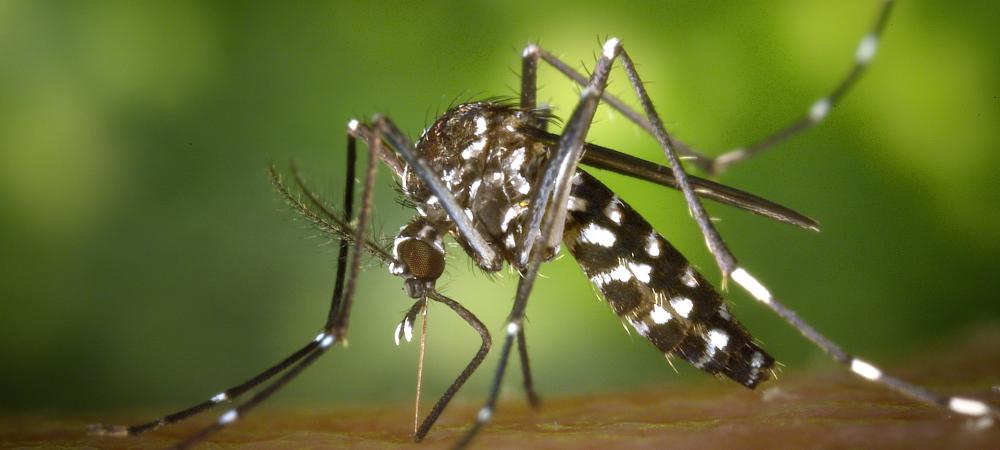
Most mosquito species are most active at dusk and dawn. The Asian tiger mosquito, which is widespread across coastal North Carolina and South Carolina, bites throughout the day. That makes it a particular problem for outdoor living spaces, since avoiding dusk and dawn does not provide the same relief it would for other species.
Asian tiger mosquitoes are smaller than common mosquitoes, black with distinctive white stripes, and aggressive biters. They breed in smaller water sources than most species, including bottle caps, plant saucers, and ornamental containers, which makes source reduction more difficult and more important on properties where they are active.
How Mosquito Barrier Treatments Actually Work
A barrier treatment targets adult mosquitoes where they spend most of their time when they are not actively feeding. During the day, mosquitoes rest in shaded, low-moisture areas close to the ground, including the undersides of leaves, dense shrubs, ornamental grasses, and wooded edges along the yard. A technician applies the treatment to these harborage zones using a mist blower, coating the foliage and vegetation where mosquitoes shelter.
The treatment does not work like a force field. Mosquitoes flying in from neighboring properties or emerging from untreated breeding sites nearby are not affected until they land in a treated area. What it does is significantly reduce the resting population on the property, which is where most of the biting pressure actually comes from.
How long a treatment holds depends on a few factors specific to coastal conditions:
- Rain is the biggest variable. A heavy rain event within 24 hours of a treatment can significantly reduce its effectiveness.
- Heat and sun exposure break down treatments faster than in cooler, shadier environments.
- New hatches from untreated breeding sites nearby will continuously replenish the adult population between visits.
How to Reduce Mosquito Breeding in Your Yard
Professional treatments work best when combined with reductions in the breeding conditions that sustain populations between visits.
- Empty and refresh standing water every week. Bird baths, pet bowls, plant saucers, and any container that holds water should be dumped and refilled or removed entirely.
- Clean gutters before spring and after major storms. Clogged gutters are one of the most common breeding sites on residential properties and one of the easiest to miss.
- Address low spots and drainage issues. Areas that hold water for more than a week after rain are active breeding zones. Regrading or adding drainage can make a significant difference in overall pressure.
- Trim dense vegetation close to the home. Reducing shaded harborage areas limits where adult mosquitoes can rest and shelter during the day.
- Treat ornamental water features. Ponds, fountains, and similar features that cannot be drained can be treated with larvicide products that kill mosquito larvae without harming fish or other wildlife.
Bug-N-A-Rug provides mosquito control across our Coastal Carolina service area, from Wilmington to Myrtle Beach. If your yard is already feeling the pressure heading into summer, or you want to get ahead of it before the season peaks, we can put a plan together that covers the full season rather than just the worst months.