


Why Bugs Move Indoors When It Cools Down
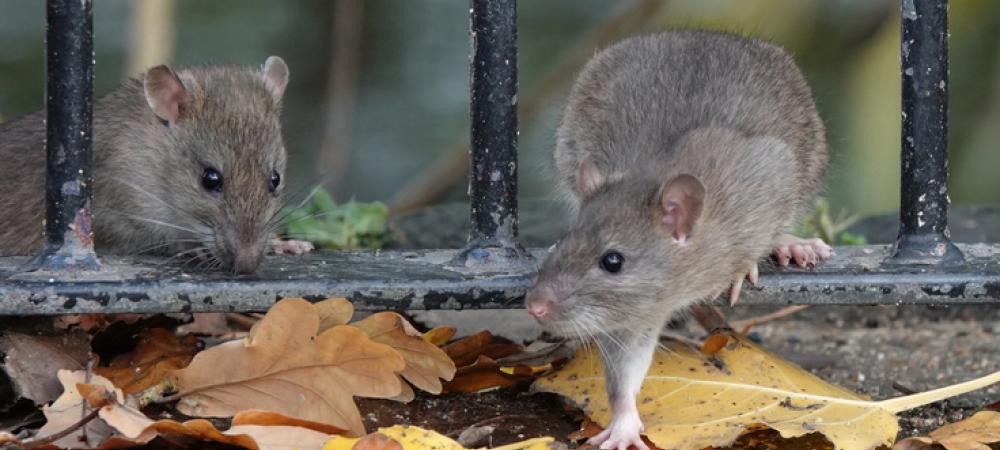
If it seems like bugs show up inside your home right around the time the weather starts to cool, you're not imagining it. Every fall, a specific group of insects called overwintering pests does exactly that — they move into homes not to feed or reproduce, but simply to find a sheltered, temperature-stable place to wait out winter. The Carolina coast stays milder than inland areas, but even modest temperature drops in September and October are enough to trigger this behavior.
Quick answer: The most common fall invaders in Coastal Carolina are stink bugs, Asian lady beetles, boxelder bugs, and kudzu bugs. Rodents and cockroaches also increase in indoor activity as temperatures cool. None of the overwintering insects cause structural damage or bite, but they show up in large numbers and can be difficult to remove once they're inside. The most effective time to address this is before they arrive, not after.
Why Overwintering Pests Move Inside in the First Place
Overwintering insects don't think of your home as a food source. They think of it as a cliff face, or a hollow tree, or a pile of leaf litter — any warm, protected space where they can enter a state of reduced activity called diapause and survive until spring. Your home happens to offer exactly the same conditions, just with better insulation.
The trigger is temperature. Most overwintering pests in North Carolina begin their migration indoors once nighttime temperatures consistently drop below 60°F, which along the coast typically starts in October. They're drawn to sun-warmed exterior walls — particularly south- and west-facing sides — and enter through gaps around siding, windows, soffits, utility lines, and doors. Once inside wall voids and attics, they may stay hidden for weeks. A warm afternoon, or simply turning up the heat, can bring them back into living spaces unexpectedly.
Common Fall Pests in the Coastal Carolinas
Stink bugs
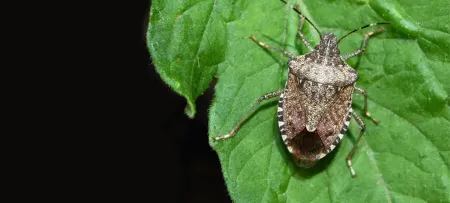
The brown marmorated stink bug is the most visible fall invader across North Carolina. Shield-shaped, roughly 3/4 inch long, and mottled olive-brown, they congregate on sunny exterior walls before pushing through any available gap. They don't bite or cause structural damage, but their odor when disturbed or crushed is persistent and unpleasant. Bug-N-A-Rug has a full guide to stink bug behavior and prevention on the blog if you want more detail on this one specifically.
Asian lady beetles
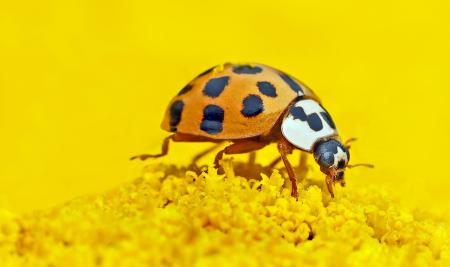
Often mistaken for native ladybugs, multicolored Asian lady beetles were introduced to the U.S. to control agricultural pests and are now widespread across the Carolinas. They swarm south- and west-facing walls in fall and squeeze through tiny gaps to overwinter inside wall voids and window frames. A second wave often appears in late winter when overwintering beetles wake up inside walls and head toward light — which is why they seem to reappear in living areas in February or March even after a fall sealing.
Boxelder bugs
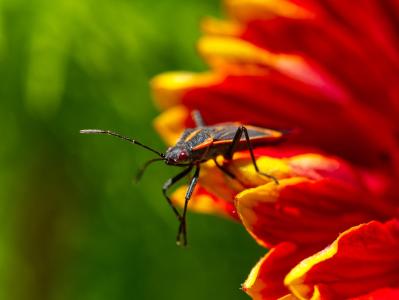
Black with red markings, boxelder bugs congregate in large numbers on sunny walls and around windows in fall. They overwinter in wall voids and don't cause structural damage, but their numbers indoors can be significant and they leave behind staining on surfaces when crushed.
Kudzu bugs
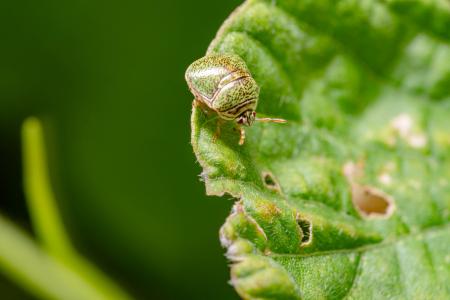
Relatively new to the Carolinas, kudzu bugs are small, olive-green, and round, roughly the size of a watermelon seed. They behave similarly to stink bugs, congregating on exterior walls in fall and entering through small gaps. Like stink bugs, they release an unpleasant odor when disturbed.
Rodents
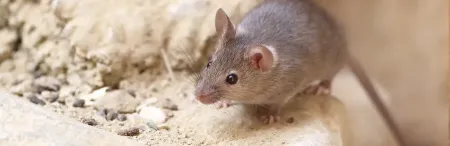
Mice and rats aren't overwintering insects, but they follow the same seasonal logic — as outdoor temperatures drop and food sources become less reliable, they actively seek entry into heated structures. Fall is one of the most common times for new rodent activity inside homes along the coast.
Cockroaches
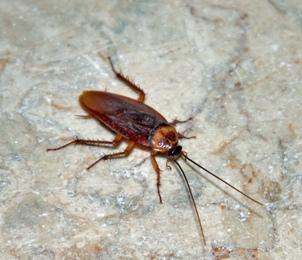
American cockroaches and smoky brown cockroaches don't overwinter the way the above insects do, but they do increase their movement indoors in fall as outdoor conditions become less hospitable. Crawl spaces, drains, and utility gaps are the most common entry points.
How to Keep Fall Pests Out of Your Home
The window between late summer and early fall — before nighttime temperatures start to drop consistently — is the most effective time to act. Once overwintering pests are inside wall voids, they're significantly harder to address.
- Seal exterior gaps and cracks. Pay particular attention to areas around windows, doors, soffits, utility penetrations, and where siding meets the foundation. These are the most common entry points for overwintering insects.
- Check weatherstripping and door sweeps. Gaps at the base of exterior doors are one of the easiest entry points for both insects and rodents.
- Repair or replace damaged window screens. Even small tears give insects a direct path inside.
- Reduce outdoor lighting on south- and west-facing walls. Asian lady beetles and stink bugs are attracted to warm, lit exterior surfaces in the evening.
- Keep vegetation trimmed back from the exterior. Dense plant material against the foundation gives fall invaders a staging area right next to entry points.
- Schedule a preventive exterior treatment before October. A perimeter treatment applied to entry points and exterior walls before fall invaders start their migration is far more effective than treating after they've already entered.
What to Do If They're Already Inside
Overwintering insects inside wall voids are best left alone until spring in most cases — disturbing them mid-winter tends to drive them further into living spaces rather than out of the home. If they've made it into living areas, vacuuming is the most effective removal method. Avoid crushing stink bugs, Asian lady beetles, or kudzu bugs, as all three release odors or staining fluids when disturbed.
If rodents are already active inside, that's a situation worth addressing promptly rather than waiting out the season. Rodents breed year-round indoors, and a fall entry point that goes unaddressed can mean a significantly larger problem by spring.