

Bed Bugs
Bed bugs are small, parasitic insects that feed on human blood. They are most active at night and typically hide in areas where people sleep or rest for long periods of time. While bed bugs are not known to spread disease, infestations can be disruptive, difficult to eliminate, and stressful for property owners.
Bed bugs are skilled hitchhikers and can spread easily between homes, apartments, hotels, and other shared living spaces. Once introduced, populations can grow quickly if not addressed.
What Bed Bugs Look Like
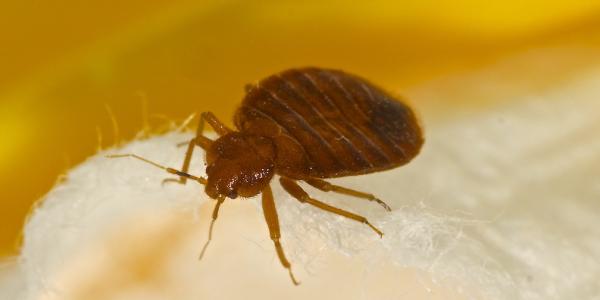
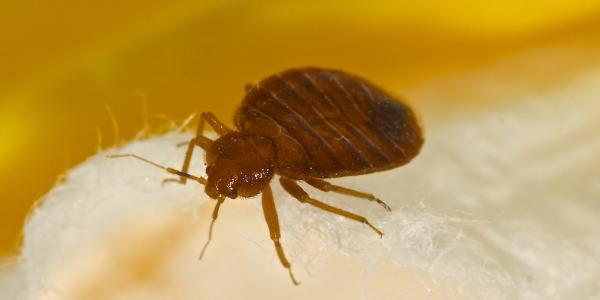
Adult bed bugs are small, flat, and oval-shaped. Before feeding, they are usually reddish-brown in color and about the size of an apple seed. After feeding, their bodies become swollen and darker in appearance.
Bed bugs do not have wings and cannot fly, but they move quickly across surfaces. Immature bed bugs, called nymphs, look similar to adults but are smaller and lighter in color.
Because bed bugs are excellent at hiding, they are often detected by signs of activity rather than direct sightings.
Are Bed Bugs Dangerous?
Bed bugs are not considered a medical threat, but they can still cause problems.
Their bites may result in itching, redness, and irritation. Some people experience allergic reactions or secondary skin infections due to scratching. Beyond physical symptoms, infestations can interfere with sleep and create ongoing disruption in living or working environments.
Bed bugs can affect homes, apartments, hotels, dormitories, healthcare facilities, and public transportation.
How Bed Bug Infestations Start
Bed bugs are most commonly introduced through travel or shared spaces.
They may enter properties by:
-
Hitchhiking in luggage or clothing.
-
Moving between units in multi-family housing.
-
Entering through used furniture or mattresses.
-
Spreading through wall voids and shared utilities.
Unlike many pests, bed bugs are not attracted to food waste or unsanitary conditions. Clean environments can experience infestations just as easily as cluttered ones.
Where Bed Bugs Are Commonly Found
Bed bugs hide close to where people sleep or rest, emerging at night to feed.
Common hiding places include:
-
Mattress seams and box springs.
-
Bed frames and headboards.
-
Upholstered furniture.
-
Cracks in walls or baseboards.
-
Nightstands and nearby furniture.
-
Electrical outlets and wall voids.
Because they prefer tight, hidden spaces, bed bugs are often difficult to locate without careful inspection.
Signs of a Bed Bug Problem
Bed bug activity is often identified by indirect evidence rather than sightings.
Common signs include:
-
Small reddish or rust-colored stains on bedding.
-
Dark spots along mattress seams or furniture edges.
-
Shed skins from growing bed bugs.
-
Bites appearing in clusters or lines on exposed skin.
Seeing live bed bugs usually indicates an established infestation.
When Bed Bug Problems Require Professional Help
Bed bugs are highly resilient and can survive for long periods without feeding. Because they hide in hard-to-reach areas and spread easily, infestations often persist without professional intervention. Early evaluation can help limit spread and reduce the scope of the problem.
Preventing Bed Bug Activity
General prevention focuses on awareness and inspection.
-
Inspect luggage and belongings after travel.
-
Be cautious with secondhand furniture.
-
Reduce clutter near sleeping areas.
-
Use protective mattress and box spring covers.
-
Monitor sleeping areas for early signs of activity.