


Flea and Tick Guide for Coastal Carolina Yards
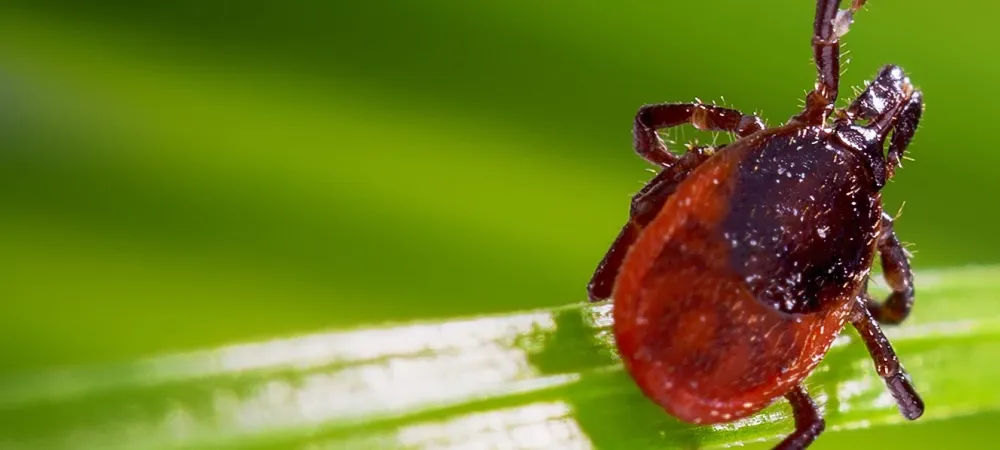
Fleas and ticks in this region come down to climate. Warm temperatures, high humidity, and sandy coastal soil give both pests a long active season, and mild winters mean they rarely die off completely.
How Fleas Actually Spread Through a Home
A flea infestation rarely starts with the fleas you can see. Adult fleas make up only a small share of the total population at any given time. The rest is hidden in the environment, going through a four-stage life cycle:
- Eggs. A female flea lays dozens of eggs a day, and they fall off the host into carpet, bedding, and furniture within hours.
- Larvae. Eggs hatch into worm-like larvae within one to ten days. Larvae avoid light and feed on organic debris, including adult flea waste, hiding deep in carpet fibers and under furniture.
- Pupae. Larvae spin a protective cocoon that can shield them from insecticides for weeks, and in the right conditions, up to a year. This is why a home can seem flea-free for a while and then have a new wave appear.
- Adults. Once a host is nearby, adults emerge from the cocoon ready to feed and start the cycle again..
Because eggs, larvae, and pupae are spread through the environment rather than staying on a pet, treating only the animal never solves an active problem. Effective control has to interrupt the cycle at multiple stages, indoors and out.
Which Ticks are a Concern in the Coastal Carolinas
Coastal NC sees a mix of species, and which one matters most depends on where the bite happened:
- Lone star tick. NC State Extension identifies this as the dominant species along the coastal plain. It's an aggressive hunter that seeks out people rather than waiting passively, and all life stages will bite humans. It's linked to ehrlichiosis, STARI (a rash illness similar in appearance to Lyme disease), and alpha-gal syndrome, a red meat allergy that can develop after a bite.
- Black-legged tick (deer tick). Shares the same coastal habitat as the lone star tick and is the only tick in the state that transmits Lyme disease.
- American dog tick. More common further inland but still present here. Carries Rocky Mountain spotted fever.
- Gulf Coast tick. Historically, this species' range extended north only as far as the southern NC coast, which puts it squarely in Bug-N-A-Rug's territory. It carries Rickettsia parkeri, a milder relative of Rocky Mountain spotted fever, and tends to concentrate its bites around the ears on animal hosts.
Ticks don't jump or fly. They wait in tall grass, leaf litter, and shaded brush with their front legs extended, latching onto anything that brushes past.
Symptoms Worth Watching For
Most tick-borne illness symptoms include fever, headache, fatigue, and muscle aches, sometimes with a rash. A tick generally needs to be attached for many hours before disease transmission occurs, so removing one quickly matters. Use fine-tipped tweezers, grip as close to the skin as possible, and pull straight up with steady pressure. Don't twist, and don't use heat, nail polish, or petroleum jelly to try to make it detach on its own.
When activity peaks in this region
Lone star ticks are most active in spring and summer, with their larvae, sometimes called seed ticks, showing up heavily in fall. Fleas ramp up as temperatures climb and stay active well into early fall, with yards that have dense tree cover, tall grass, or multiple pets seeing pressure earlier and longer than others.
Reducing your risk
- Keep grass cut short and clear leaf litter, brush piles, and tall vegetation from the yard perimeter
- Treat pets with a vet-recommended flea and tick preventative year-round, not just in summer
- Vacuum frequently, especially in areas where pets rest, and discard the vacuum bag or empty the canister immediately
- Wash pet bedding on a regular schedule in hot water
- Check yourself, kids, and pets for ticks after any time spent in tall grass or wooded areas, paying attention to the scalp, behind ears, underarms, and waistband
A single store-bought yard spray can knock back visible activity for a short window, but it won't reach eggs and pupae hidden in the environment, and it won't account for the specific conditions on your property. If fleas or ticks have made themselves at home on your yard or in your house, Bug-N-A-Rug Exterminators can inspect the property and put a treatment plan in place before the next wave hits.