


What Are Chiggers?
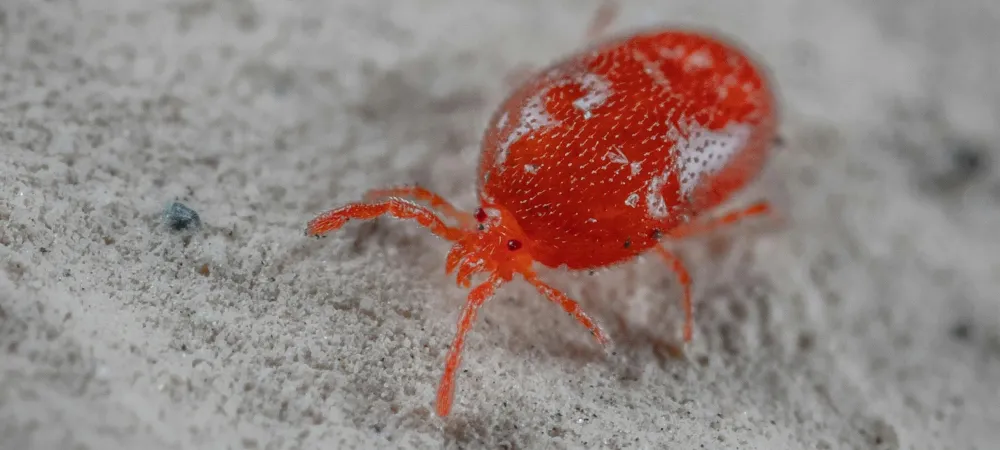
Chiggers are tiny mites that commonly affect people spending time outdoors in North Carolina, especially during warmer months. Despite how often they’re blamed for painful, itchy bites, chiggers are widely misunderstood. Knowing what they are, where they live, and how they affect people can help homeowners reduce exposure and respond correctly.
What Are Chiggers?
Chiggers are the larval stage of certain mites in the Trombiculidae family. Only the larvae cause problems for people and animals. Adult chiggers do not bite humans at all.
Because chigger larvae are extremely small, most people never see them. Instead, they notice the skin reaction that appears hours or even a day after exposure.
Key facts about chiggers:
- They are not insects, but mites.
- They do not burrow into the skin.
- They do not feed on blood.
- They attach briefly to the skin to feed on skin cells, then fall off.
Where Are Chiggers Found in North Carolina?
Chiggers are very common throughout North Carolina due to the state’s warm temperatures, frequent rainfall, and dense vegetation.
They are most often found in:
- Tall grass and weeds.
- Overgrown lawns and field edges.
- Wooded areas and forest borders.
- Brush piles and leaf litter.
- Areas frequented by wildlife such as deer and rodents.
Chiggers do not live indoors and do not infest homes. Exposure happens outdoors, usually when someone walks, sits, or works in infested areas.
When is Chigger Season in North Carolina?
Chigger season in North Carolina typically runs from late spring through early fall, with peak activity during the hottest and most humid months.
In general:
- Activity begins in May.
- Populations peak in June through August.
- Activity tapers off once temperatures drop in the fall.
People are most likely to encounter chiggers during outdoor activities such as mowing, gardening, hiking, hunting, or spending time in untreated grassy areas.
Do Chiggers Bite?
Chiggers don’t bite in the traditional sense. Instead of piercing the skin or sucking blood, they attach to the skin’s surface and inject digestive enzymes.
These enzymes break down skin cells into a liquid that the chigger consumes. During this process, a small feeding tube called a stylostome forms in the skin. The chigger detaches after feeding, but the stylostome remains temporarily and causes irritation.
This is why the itching continues long after the chigger is gone.
Why Do Chigger Bites Itch and How Long Do Symptoms Last?
The intense itching caused by chiggers is an immune response to the enzymes injected during feeding. Most people don’t feel anything at the time of exposure. Symptoms usually begin several hours later.
Common characteristics of chigger reactions include:
- Small red bumps or welts.
- Clusters or lines of irritation.
- Bites concentrated around ankles, sock lines, waistbands, behind knees, or under tight clothing.
- Severe itching that may last 3 to 7 days, sometimes longer.
Scratching can make symptoms worse and increase the risk of infection, which may extend healing time.
Chiggers vs. Ticks: How to Tell the Difference
Chiggers and ticks are often confused because both are small and active outdoors, but they behave very differently.
Chiggers:
- Cause delayed itching.
- Leave clusters of itchy bumps.
- Are gone by the time symptoms appear.
- Do not transmit diseases in North America.
Ticks:
- Remain attached to the skin.
- Are usually visible once attached.
- Can transmit diseases such as Lyme disease and Rocky Mountain spotted fever.
- Cause irritation that often begins while the tick is still present.
If a pest is still attached to the skin, it is not a chigger.
How to Reduce Chiggers in Your Yard Naturally
Reducing chigger populations starts with limiting their habitat.
Natural prevention steps include:
- Keeping grass trimmed and weeds under control.
- Clearing brush, leaf piles, and tall vegetation.
- Creating a buffer zone between wooded areas and lawns.
- Avoiding sitting directly on grass in untreated areas.
- Showering soon after outdoor activity.
Wearing long pants, socks, and closed shoes can also reduce exposure when spending time in high-risk areas.
Chiggers are a common outdoor nuisance in North Carolina, but they don’t have to ruin time spent outside. Understanding what chiggers are, when they’re active, and how they affect the skin helps homeowners take practical steps to reduce exposure and manage symptoms. With proper yard maintenance and awareness, chigger problems can be significantly minimized.