


What to Do With a Ladybug Infestation
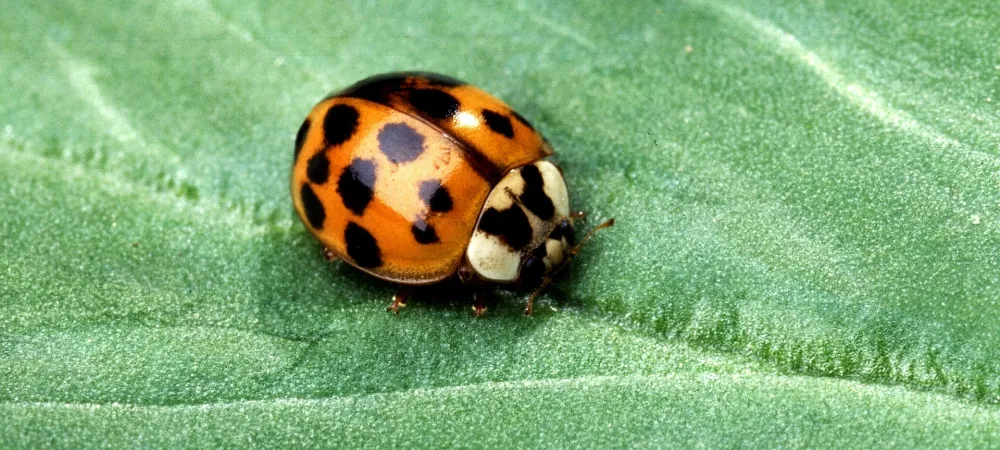
Ladybugs are often associated with gardens and good luck, but when they start gathering inside a home, they quickly become a nuisance. Large numbers around windows, ceilings, and light fixtures usually signal a seasonal issue rather than a one-time accident. Knowing where ladybugs come from and how to get rid of them helps homeowners handle infestations more effectively.
Where Do Ladybugs Come From?
Most indoor “ladybug infestations” are actually caused by Asian lady beetles, a close relative of native ladybugs. These beetles look similar but behave very differently around homes.
Ladybugs and Asian lady beetles typically come from outdoor environments such as:
- Gardens, fields, and wooded areas.
- Areas with heavy vegetation and insect populations.
- Landscapes where they feed on aphids and other small insects.
As temperatures cool, especially in fall, they begin searching for warm places to overwinter. Homes become attractive because they offer shelter and warmth. Once they find an entry point, they release pheromones that attract more beetles, which is why infestations often appear suddenly and in large numbers.
Common entry points include:
- Gaps around windows and doors.
- Cracks in siding or trim.
- Attic vents and utility openings.
- Areas exposed to direct sunlight, especially south- and west-facing walls.
Are Ladybugs Dangerous?
Ladybugs are not considered dangerous to people or pets, but they can still cause problems when they gather indoors in large numbers. Native ladybugs rarely bite, though Asian lady beetles may pinch the skin if handled, which can be uncomfortable but not harmful.
While they do not spread disease or infest homes the way some pests do, ladybugs can still be an issue because:
- They release a defensive yellow fluid that can stain walls, curtains, and furniture.
- Large numbers indoors can trigger allergic reactions in some people.
- Their presence around windows and ceilings becomes a recurring nuisance during cooler months.
Ladybugs also do not reproduce indoors, so seeing many of them does not mean an indoor infestation is growing, but it does indicate repeated entry from outside.
How to Get Rid of Ladybugs
Once ladybugs are inside, the goal is removal without making the problem worse. Crushing them is not recommended, as it releases odor and can stain walls or fabrics.
Effective removal methods include:
- Using a vacuum to collect beetles from walls and windows.
- Sealing and disposing of vacuum contents promptly.
- Keeping windowsills and entry areas clean to remove scent trails.
- Reducing indoor lighting near windows at night, which can attract them.
Long-term control focuses on exclusion and prevention, not just removal.
Steps that help reduce future infestations include:
- Sealing cracks and gaps around doors, windows, and siding.
- Repairing damaged screens and weather stripping.
- Addressing attic and vent openings where beetles commonly enter.
- Scheduling professional exterior treatments before peak season.
Because ladybugs congregate in specific areas of a structure, targeted treatments around entry points are often more effective than indoor sprays.
Why Ladybug Infestations Keep Coming Back
Ladybugs are creatures of habit. Once a structure is identified as a good overwintering site, they tend to return year after year unless entry points are addressed. Homes that receive strong afternoon sun are especially vulnerable.
Without proper exclusion and exterior control, homeowners may see repeat infestations each fall, even after removing beetles from inside.
Ladybugs vs. Asian Lady Beetles
Most “ladybug infestations” inside homes are actually caused by Asian lady beetles, not native ladybugs. While they look similar at a glance, their behavior around homes is very different.
Key differences include:
- Asian lady beetles are more likely to enter homes to overwinter.
- They often gather in large clusters inside walls, windows, and attics.
- Many have a white or light-colored marking behind the head that resembles an “M.”
- They are more aggressive indoors and more likely to pinch when disturbed.
Native ladybugs typically stay outdoors and do not form large indoor groups. Correctly identifying the pest helps explain why infestations happen and why prevention focuses on sealing entry points rather than treating indoors.
Ladybug infestations are usually seasonal, but they can be persistent if the underlying causes aren’t addressed. Understanding where ladybugs come from and focusing on prevention and exclusion are the most effective ways to reduce indoor activity and limit repeat problems year after year. Contact our team for advice on how to best manage your infestation today.