


Can You Get Bed Bugs From Used Furniture?
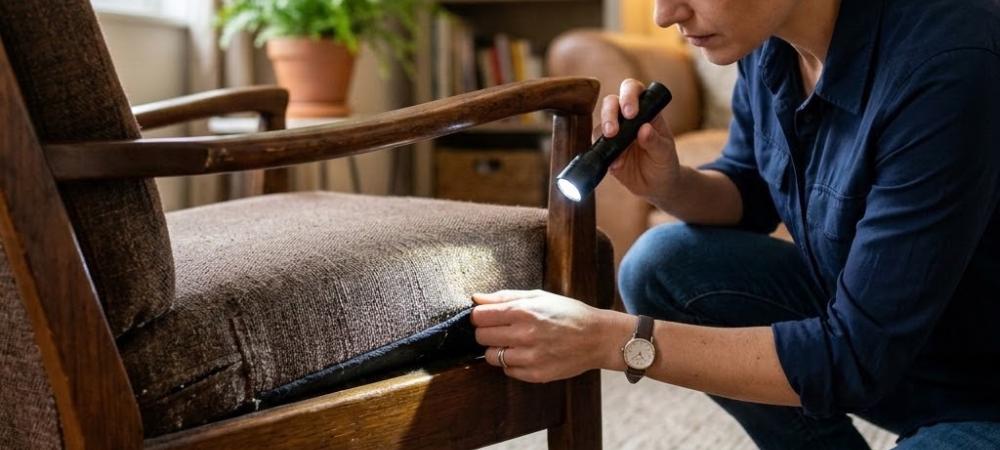
Yes, you can get bed bugs from used furniture. Bed bugs hitchhike from infested homes on furniture, bedding, boxes and clothing, and they can survive several months to a year without feeding, according to the EPA. That means a couch, mattress or dresser that has been sitting empty can still carry them. A careful inspection before the piece comes inside is the single best way to keep a secondhand deal from turning into a whole-home infestation.
How Do Bed Bugs Get Into Used Furniture?
Bed bugs get into used furniture by hiding in it while it sits in an infested home. When they aren't feeding, bed bugs tuck into seams, cracks and joints close to where people sleep and sit. The EPA notes that bed bugs are about as thin as a credit card, so if a crack can hold a credit card, it can hide a bed bug.
When that piece is sold, donated or set out at the curb, the bed bugs and their eggs go with it. The EPA describes bed bugs as excellent hitchhikers for exactly this reason. They don't need to find you. They just need a ride.
Which Used Furniture Carries the Most Risk?
Used mattresses, box springs and bed frames carry the most risk because bed bugs hide closest to where people sleep. The North Dakota Department of Health calls used furniture, such as bed frames and mattresses, the greatest risk for carrying bed bugs and their eggs. Upholstered seating and bedroom furniture come next, and smooth, solid pieces carry the least. Wood and metal aren't automatically safe: the EPA finds bed bugs in cracks on bed frames and headboards and in drawer joints.
| Furniture | Where Bed Bugs Hide | Risk |
|---|---|---|
| Mattresses and box springs | Piping, seams and tags; the fabric and straps under a box spring | Highest |
| Bed frames and headboards | Cracks, joints and screw holes, including on metal frames | Highest |
| Couches and upholstered chairs | Seams, piping, between and under cushions, the underside | Moderate |
| Nightstands and dressers | Drawer joints, corners and the underside | Moderate |
| Smooth plastic, glass or bare metal | Few hiding spots; still check any seams or cracks | Lower |
What Are the Signs of Bed Bugs in Used Furniture?
The signs of bed bugs in used furniture are dark spots, rusty stains, tiny eggs, shed skins and the bugs themselves. The EPA lists these as the most reliable evidence of an infestation:
- Dark spots: Pinpoint dots of bed bug excrement that can bleed into fabric like a marker
- Rusty or reddish stains: Marks left when bed bugs are crushed
- Eggs and eggshells: About 1 mm and pearl-white
- Shed skins: Pale yellow casings that young bed bugs leave behind as they grow
- Live bed bugs: Adults are about the size of an apple seed (3/16 to 1/4 inch), brown and flat, or reddish and swollen after feeding
- Odor: Bed bugs give off a musty-sweet smell
Young bed bugs are harder to catch. The EPA notes that unfed nymphs are translucent or whitish-yellow and can be nearly invisible, which is why a quick glance isn't enough.
How Do You Inspect Used Furniture Before You Buy It?
Inspect used furniture with a flashlight before it leaves the store, sidewalk or seller's house, because once it's inside your home, any bed bugs are inside too. Oklahoma State University Extension recommends this routine for secondhand shoppers:
- Pull every cushion. Check both sides, along the seams, piping and decorative edges.
- Check the frame. Look inside, push down on the springs and turn the piece over to check underneath.
- Use a flashlight on hard furniture. Shine it into headboards, bed frames (metal ones too), nightstands and dressers.
- Open every drawer. Pull drawers out, check the joints and turn the piece over.
- Wipe surfaces with a towel. A quick wipe can reveal signs of past activity.
Don't assume a thrift or vintage store has already checked. Oklahoma State University Extension specifically warns shoppers not to assume secondhand stores clean and inspect for bed bugs.
Is Curbside Furniture Safe to Take Home?
Curbside furniture is the riskiest kind of used furniture, and University of Florida IFAS Extension advises against picking up furniture from the side of the road at all. The EPA tells people getting rid of infested furniture to rip the covers, remove the stuffing and spray-paint "Bed Bugs" on it so no one takes it home. If you see that marking, or torn fabric and missing stuffing, leave the piece where it is.
Does North Carolina Require Used Mattresses to Be Sanitized?
Yes. North Carolina law bars anyone from selling secondhand bedding unless it has been sanitized, with one exception for private sales, and the state's definition of sanitizing includes destroying arthropods, the group bed bugs belong to. A store also can't hold unsanitized secondhand bedding for sale for more than 60 days.
North Carolina's law defines bedding broadly. It covers mattresses, box springs (upholstered springs), pads, pillows, cushions, comforters, sleeping bags and dual-purpose furniture such as sofa beds and studio couches.
The law has a gap that matters for online and yard-sale shoppers. It doesn't apply when an owner sells their own used bedding from their home directly to a buyer for personal use, unless the bedding was exposed to an infectious or communicable disease. A mattress picked up from a stranger's house through an online listing usually has no sanitizing requirement behind it. This rule is North Carolina's, so if you're shopping across the line in South Carolina, ask the seller how the item was cleaned.
On bedding sold by a North Carolina business, a white tag means it's made of new material and a yellow tag means it was sanitized or renovated. A yellow tag isn't a bed bug guarantee, so inspect the piece anyway.
Will Bed Bugs Die If Used Furniture Sits Empty?
Bed bugs usually won't die in a few days or weeks of storage. The EPA reports that bed bugs typically feed every 5 to 10 days but can survive several months to a year without feeding. Leaving a piece in the garage for a weekend won't make it safe. The EPA's own guidance for items that can't be treated is to seal them in a plastic bag or container for up to a year.
How Do You Treat Used Furniture Before Bringing It Inside?
Treat used furniture outside or in a garage before it comes in, using heat, steam and a thorough vacuuming. These steps from the EPA and university extension services lower the risk, though none of them replaces a careful inspection:
- Dry fabrics on high heat. Run removable covers, pillows and linens through the dryer on high. University of Florida IFAS Extension recommends a full hour for items like pillows and shoes and notes that all life stages of bed bugs die at 120°F.
- Vacuum first, outside. Vacuum seams, crevices and the underside, then empty the vacuum or bag into an outdoor trash can.
- Steam seams and cracks. The EPA says steam must reach at least 130°F, with low airflow or a diffuser so bed bugs don't scatter.
- Scrub hard furniture. Oklahoma State University Extension recommends washing wood frames, nightstands and dressers with a scrub brush and soapy water, then letting them dry before moving them in.
- Freeze small items. The EPA says a freezer only works at 0°F, with items sealed in a bag for three days. Check with a thermometer, since many home freezers run warmer.
- Encase used mattresses and box springs. The EPA recommends high-quality encasements, which eliminate hiding spots and make bed bugs easier to see.
Some popular fixes don't work or aren't safe. The EPA warns that rubbing alcohol, kerosene and gasoline can ignite, that foggers can't reach the cracks where bed bugs hide, and that cranking up a thermostat or space heater won't kill them.
What Should You Do If You Already Brought Used Furniture Home?
If you already brought used furniture home, inspect it right away and keep it out of bedrooms until you know it's clean. Finding a problem early matters. The EPA notes that treating a minor infestation is far less costly and easier than treating one that has spread.
- Inspect it now. Use the flashlight routine above, along with the beds and couches nearest to where the piece sits.
- Bag what you can. Seal suspect cushions, linens and small items in plastic bags and run what you can through a hot dryer.
- Don't switch rooms to sleep. University of Florida IFAS Extension warns that bed bugs will follow you to the couch or another bed.
- Don't throw everything out. University of Florida IFAS Extension notes that treatment can save most furniture and household items.
When Should You Call a Pest Control Company?
Call a pest control company as soon as you find signs of bed bugs in furniture that's already inside your home. University of Florida IFAS Extension says most bed bug infestations need a professional, and the EPA notes that professionals have access to proven methods, including whole-home heat treatment, that do-it-yourself approaches can't match. Bug-N-A-Rug Exterminators's bed bug treatment can confirm what you're dealing with and recommend the right treatment plan.
Not sure whether what you found is a bed bug? Compare it against our bed bug identification guide. If you manage a vacation rental near the coast, our guide to keeping bed bugs out of a Myrtle Beach rental covers prevention between guests.
Bed Bugs and Used Furniture FAQs
Can bed bugs live in wood furniture?
Yes. The EPA finds bed bugs in cracks on bed frames and headboards and in drawer joints. Any wood piece with cracks, joints or screw holes can hide them.
How long can bed bugs live in furniture without feeding?
Bed bugs can survive several months to a year without feeding, according to the EPA. Furniture that has sat empty or in storage can still carry them.
Is it safe to buy a used mattress in North Carolina?
North Carolina requires businesses to sanitize secondhand mattresses and attach a yellow tag before selling them. Private sales from an owner's home are exempt, so inspect any used mattress and put it in a bed bug encasement.
Does a dryer kill bed bugs?
Yes. A clothes dryer on high heat can kill bed bugs in fabrics. University of Florida IFAS Extension recommends a full hour for items like pillows and notes that all life stages die at 120°F.
Can you see bed bugs on furniture?
Adult bed bugs are about the size of an apple seed and visible to the naked eye. Young bed bugs and eggs are much smaller and harder to spot, so use a flashlight and check seams and cracks closely.
Do bed bugs spread disease?
Bed bugs are not known to spread disease to people, according to the CDC. Their bites can cause itching, lost sleep and, rarely, allergic reactions.
Call Bug-N-A-Rug Exterminators and we'll help you figure out the right next step.
Sources
- U.S. EPA, Protecting Your Home from Bed Bugs
- U.S. EPA, How to Find Bed Bugs
- U.S. EPA, Bed Bugs Appearance and Life Cycle
- U.S. EPA, Do-it-yourself Bed Bug Control
- CDC, About Bed Bugs
- North Carolina General Assembly, G.S. Chapter 106, Article 4H: Bedding
- Oklahoma State University Extension, Avoiding Bed Bugs Before and After Thrift Store Purchases
- University of Florida IFAS Extension, Duval County, Bed Bug Prevention and Control Techniques
- North Dakota Department of Health and Human Services, Bed Bugs Fact Sheet