


Rodents
Rodents are the largest group of mammals and include a wide range of species with different sizes, behaviors, and habitats. Despite their differences, all rodents share one defining trait: their front incisors grow continuously throughout their lives. To keep these teeth from overgrowing, rodents must constantly chew.
In natural environments, rodents play an important role in the ecosystem and serve as a food source for many predators. Problems arise when certain rodent species begin living close to people. Mice and rats, in particular, commonly settle in and around homes and businesses, where they can cause damage and create health concerns.
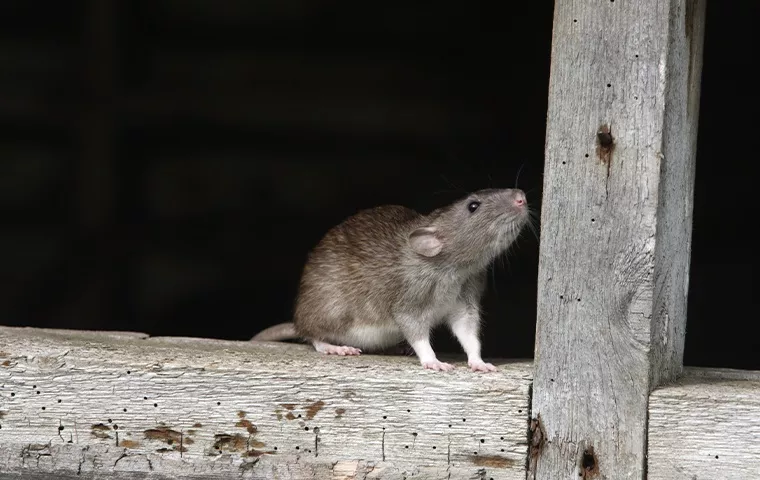
Are Rodents Dangerous?
Rodents pose several risks when they enter structures.
They can carry bacteria and pathogens that contaminate food and surfaces through urine, droppings, and saliva. Exposure to these contaminants may increase the risk of illness, especially in enclosed indoor environments.
Rodents also cause damage as a result of their constant chewing. Commonly affected materials include:
-
Wiring and plumbing.
-
Insulation.
-
Drywall and flooring.
-
Furniture and stored items.
-
Clothing, shoes, books, and boxes.
Over time, this damage can affect both safety and structural integrity.
Why Rodents Are Attracted to Properties
Rodents are drawn to areas that provide reliable access to food, water, and shelter.
Outdoor attractants often include trash containers, compost piles, gardens, and pet feeding areas. Indoors, rodents forage in kitchens, pantries, basements, and storage areas where food is accessible.
Although rodents typically live outdoors, they frequently move inside structures for protection. Cooler temperatures, limited food sources, or easy entry points can all increase the likelihood of indoor rodent activity.
Where Rodents Are Commonly Found
Rodents prefer to nest near food sources and in locations that offer protection from predators.
Common outdoor nesting areas include:
-
Tree stumps and fallen trees.
-
Tall grass and dense vegetation.
-
Woodpiles and debris.
-
Fields and landscaped areas.
Inside structures, rodents seek out quiet, hidden spaces such as:
-
Attics and basements.
-
Wall voids.
-
Behind appliances.
-
Cabinets, closets, and storage areas.
When Rodent Problems Require Professional Help
Ongoing sightings, repeated signs of activity, or evidence of damage often indicate an established rodent problem. Because rodents reproduce quickly and can access hard-to-reach areas, professional intervention is often needed to fully resolve infestations and prevent recurrence.
Preventing Rodent Activity
Rodent prevention focuses on limiting access to food and sealing entry points.
-
Store food in sealed containers and clean up spills promptly.
-
Use trash containers with tight-fitting lids.
-
Install door sweeps on exterior doors.
-
Add weatherstripping around windows and doors.
-
Repair damaged window and door screens.
-
Install secure chimney caps.
-
Seal gaps along foundations, rooflines, and exterior walls.
-
Reduce indoor and outdoor clutter that provides hiding places.
-
Remove fallen trees, stumps, and debris from yards.
-
Keep storage areas organized and off the floor when possible.