
Wildlife
Wildlife is a broad term used to describe animals that are not domesticated and typically live outdoors. Many people enjoy seeing wildlife from a distance, but issues can arise when wild animals begin using yards, gardens, and structures for food and shelter.
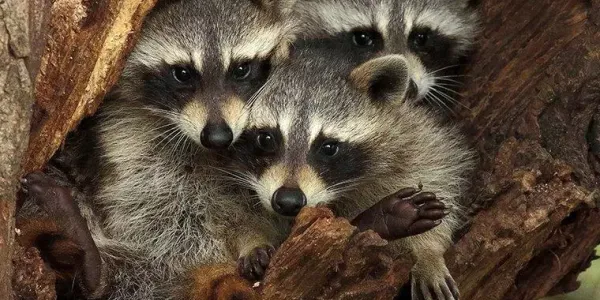
As residential and commercial development has expanded into natural habitats, encounters between people and wildlife have become more common. Species such as raccoons, squirrels, skunks, bats, and chipmunks are frequently found near homes and businesses because they adapt well to human environments.
Is Wildlife Dangerous?
Wild animals can pose risks when they feel threatened or are forced into close contact with people or pets.
Because wildlife is unpredictable, defensive behaviors may include biting, scratching, spraying, or aggressive posturing. In addition, some wild animals can carry bacteria, parasites, or diseases that affect people and animals.
Beyond health concerns, wildlife can cause property damage by digging, chewing, nesting, or tearing into structures while searching for food or shelter.
Why Wildlife Activity Occurs on Properties
Wildlife is primarily attracted to properties that provide easy access to food, water, and protected spaces.
Common attractants include:
-
Trash and compost areas.
-
Pet food and bird feeders.
-
Gardens and fruit-bearing plants.
-
Outdoor eating areas.
-
Shelter under decks, sheds, or porches.
Once wildlife finds reliable resources, animals may remain in the area or attempt to nest on or inside structures.
Where Wildlife Is Commonly Found
Nesting and resting locations vary by species, but many wild animals seek out quiet, sheltered areas.
Common outdoor locations include:
-
Trees, shrubs, and dense vegetation.
-
Gardens and landscaped areas.
-
Under decks and porches.
-
Beneath sheds and outbuildings.
-
Along rooflines and eaves.
If wildlife enters a structure, they typically choose dark, undisturbed areas such as attics, wall voids, chimneys, garages, or storage spaces.
When Wildlife Problems Require Professional Help
Repeated sightings, noises inside structures, visible damage, or animals nesting in or on buildings often indicate a larger issue. Because wildlife removal and exclusion require careful handling and an understanding of animal behavior, professional assistance is often needed to resolve problems safely and effectively.
Preventing Wildlife Activity
General prevention focuses on reducing access to food and shelter.
-
Trim tree branches away from structures.
-
Remove woodpiles, fallen trees, and debris.
-
Install barriers around decks, sheds, and crawl spaces.
-
Repair damaged screens and add chimney caps.
-
Seal gaps along rooflines and exterior walls.
-
Harvest fruits and vegetables regularly.
-
Store pet food securely and remove leftovers.
-
Use tight-fitting lids on trash and compost containers.
-
Avoid using bird or wildlife feeders near structures.