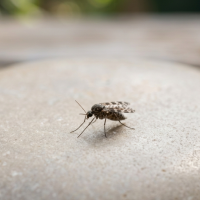
No-see-ums, or biting midges, are among the most frustrating pests along the North and South Carolina coasts, and one of the least understood. This post covers what they are, why coastal conditions make them so persistent, and what homeowners can realistically do about them.
Floodwaters, standing water, and structural damage from hurricanes create conditions that drive pests into homes and yards across Coastal Carolina. This post covers the most common post-storm pest problems and what homeowners can do to reduce their exposure during recovery.
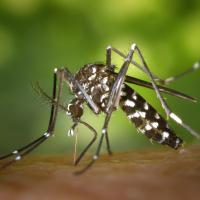
Mosquito season on the North and South Carolina coast starts as early as March and runs through October, with peak pressure in the hottest and most humid months. This post covers when to start treatments, what makes coastal yards particularly attractive to mosquitoes, and what a season-long control plan actually looks like.
As temperatures drop along the Carolina coast, a specific group of insects called overwintering pests begin moving into homes looking for a warm place to wait out the winter. This post covers which pests to expect, why they come in, and what homeowners can do to keep them out before fall gets underway.
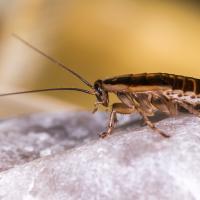
"Palmetto bug" is a regional nickname, not a separate species — and knowing which cockroach you're actually dealing with changes how you treat it. This post breaks down what palmetto bugs actually are, how they differ from other roaches, and what to do when you find one inside.
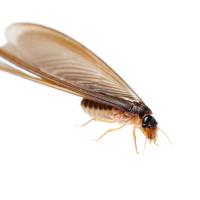
Termite swarmers are one of the only visible warning signs homeowners get that a colony is nearby, and most people mistake them for flying ants. This post covers how to identify swarmers, what their presence actually means, and what steps to take next.
Commercial properties like restaurants and rental units face different pest pressures than residential homes, and the consequences of an infestation are higher. This post covers the most common pests in commercial settings, what health codes actually require, and what a proactive pest management plan looks like.
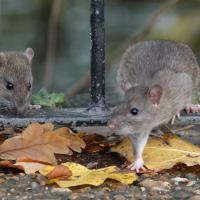
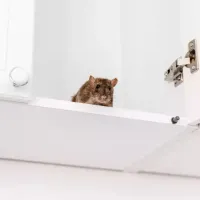
Rats and mice are both common home invaders, but they leave distinct evidence behind. This post breaks down how to identify which rodent you're dealing with based on the signs they leave behind and how to keep them from getting inside in the first place.
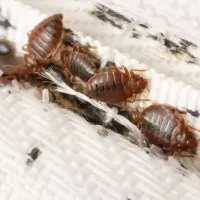
High guest turnover makes vacation rentals one of the more common places bed bugs travel between properties, and Myrtle Beach's year-round tourism traffic makes that risk constant rather than seasonal. This post covers how bed bugs actually get into a rental and what to check between guests.
Coastal humidity turns crawl spaces into a breeding ground for moisture, mold, and pests, and vented crawl spaces rarely keep up with it. This post covers the five warning signs that mean it's time to encapsulate and what the process actually involves.
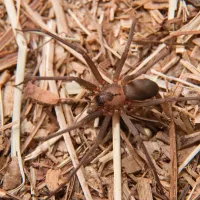
Brown recluse sightings in coastal NC are almost always something else. This post covers how to actually identify a recluse by eye count, the common look-alikes homeowners mistake for one, why the black widow is the spider that actually matters in this region, what a bite from either species looks like, and when spider activity peaks along the coast.
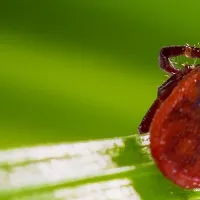
Coastal Carolina's warm, humid climate keeps fleas and ticks active for most of the year. This guide covers which species actually show up here, including the cat flea and the lone star tick, why a full flea life cycle makes DIY treatment fall short, and when activity peaks in this region. It closes with practical steps for reducing risk in your own yard.
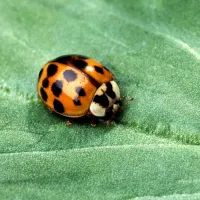
Learn why ladybugs and Asian lady beetles enter homes, where they come from, and when infestations are most likely to occur. It also outlines safe ways to remove ladybugs, prevent repeat entry, and understand whether they pose any risk indoors.
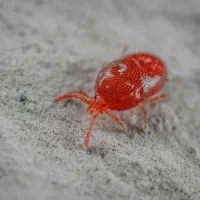
Learn what chiggers are, where they live in North Carolina, and when they are most active throughout the year. It also covers why chigger bites itch, how they differ from ticks, and how homeowners can reduce chigger activity through yard maintenance and professional treatment options.
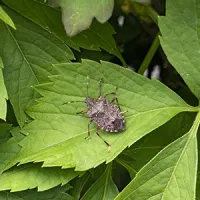
Every year as fall approaches, homeowners start to notice brown, shield-shaped bugs gathering on sunny walls, windows, and door frames. That’s the beginning of stink bug season — the time when these insects begin searching for a warm place to ride out the winter.